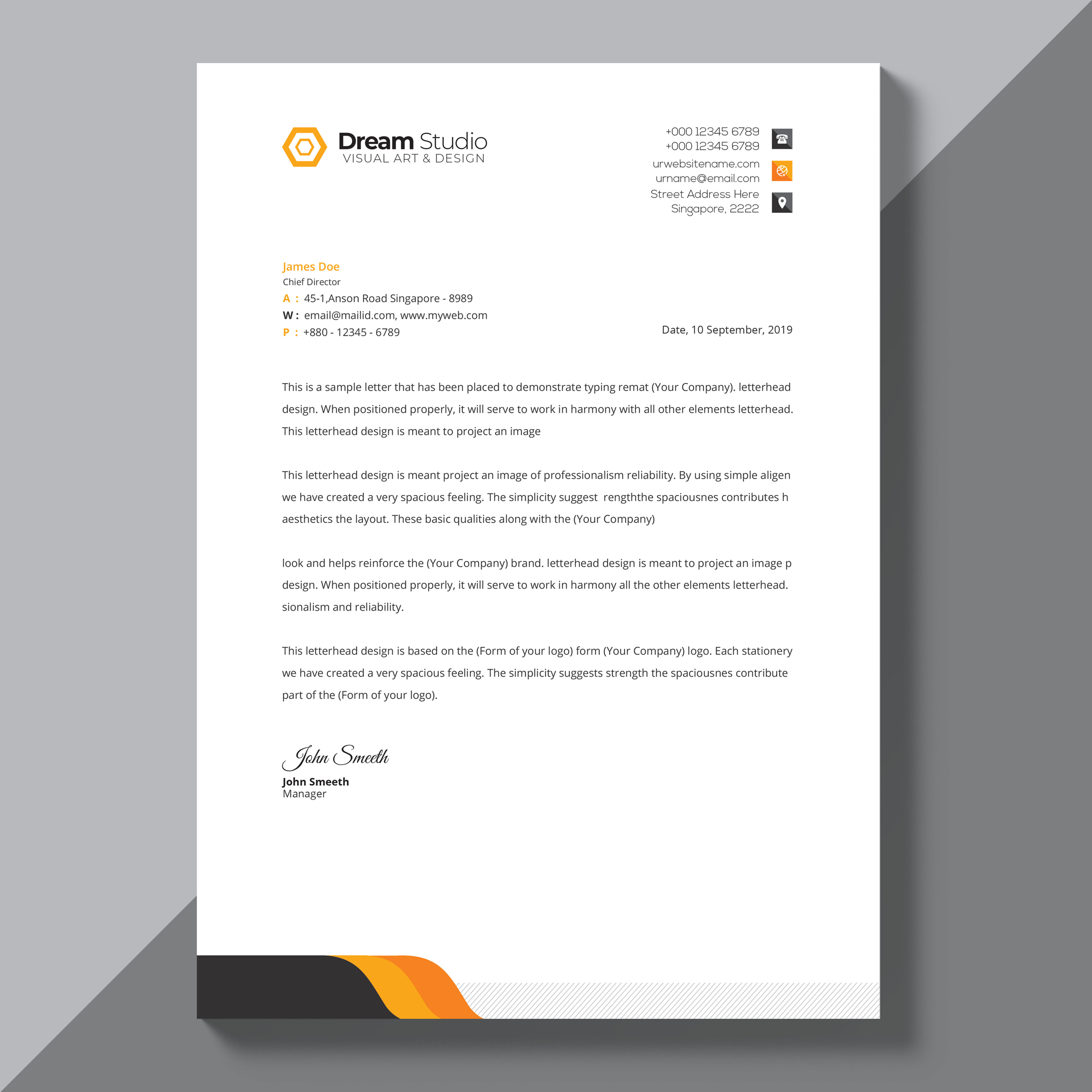
A strong resume and cover letter are critical components of a successful job search. They are often the first impression a potential employer has of you, so it's essential to make them count. Here are some tips for creating a winning resume and cover letter:
Resume:
Tailor your resume to the job you're applying for. Highlight the skills and experiences that are most relevant to the position.
Use keywords from the job description in your resume. Many companies use applicant tracking systems (ATS) to screen resumes, so including the right keywords can increase your chances of getting past the initial screening.
Keep it concise and easy to read. Limit your resume to one or two pages, and use clear headings, bullet points, and font that's easy to read.
Focus on achievements, not just responsibilities. Use numbers and statistics to demonstrate the impact you've made in your previous roles.
Use a professional email address and save your resume as a PDF to ensure it looks the same on any device.
Cover Letter:
Address the letter to a specific person, if possible. This shows that you've taken the time to research the company and understand who would be the best person to receive your letter.
Customize each cover letter for the specific job you're applying for. Explain why you're interested in the company and the role, and how your skills and experience make you a good fit.
Keep it concise and focused. Limit your cover letter to one page, and avoid repeating information from your resume.
End the letter by expressing your enthusiasm for the opportunity and asking for an interview.
Proofread carefully. Spelling and grammar errors can be costly mistakes.
In conclusion, taking the time to create a strong resume and cover letter can make a big difference in your job search. Be specific, concise, and focus on how you can contribute to the company. With these tips, you'll be well on your way to landing your next interview and eventually, your dream job!
Comments
Join the discussionNo comments yet. Be the first to comment.
Interview Prep
In this series I will be posting about some of the tips and tricks in the interview preparation phase.


